nickel hydrometallurgy
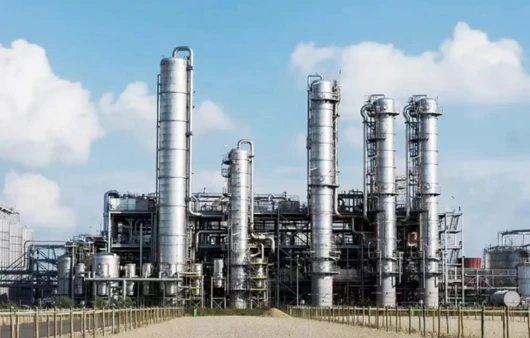
Nickel Hydrometallurgy: Unlocking the Future of Sustainable Metal Extraction In the face of a rapidly evolving global economy and growing environmental concerns, understanding processes like nickel hydrometallurgy is more important than ever. This field isn’t just about mining metals; it's about crafting smarter, cleaner ways to extract and recycle nickel, a critical metal underpinning industries from electric vehicles to renewable energy systems. Why does this matter globally? Because nickel's availability and extraction method strongly influence the sustainability and economic viability of the technologies shaping our future. Why Nickel and Why Hydrometallurgy in Today's World? Nickel production is no small feat—it's a key player in stainless steel, battery cathodes, and even aerospace alloys. According to the United Nations Conference on Trade and Development (UNCTAD), demand for nickel has surged with the rise of electric vehicles and green infrastructure. Yet, traditional extraction methods pose environmental challenges, including energy intensity and hazardous emissions. This is where nickel hydrometallurgy offers promising solutions: it’s an innovative technique that combines chemistry and efficient resource use to isolate nickel in more eco-friendly ways, significantly reducing waste and energy consumption. But beyond the tech talk, nickel hydrometallurgy addresses an ongoing challenge—the increasing need to balance industrial-scale metal demand with responsible environmental stewardship. In regions where mining dominates local economies, improved hydrometallurgical practices mean less environmental degradation and more socio-economic benefits. Mini takeaway: Grasping nickel hydrometallurgy means understanding the crossroads of industry demand, sustainability, and global supply chains. Defining Nickel Hydrometallurgy: Chemistry Meets Industry In simple terms, nickel hydrometallurgy is a processing method that extracts nickel from ores or recycled materials using aqueous chemistry rather than smelting. Essentially, nickel compounds are dissolved in liquid solutions, separated from unwanted materials, and then refined into high-purity metals or intermediates. This contrasts with pyrometallurgical methods, which use high-heat furnaces. Hydrometallurgy’s appeal lies in its relatively lower energy needs and better environmental footprint. Plus, it enables recovery from low-grade ores and secondary sources like spent batteries, crucial for circular economy goals. Linking this process to modern industry: nickel hydrometallurgy is foundational for the battery revolution powering electric vehicles and renewable storage solutions globally, which hinge on pure, reliably sourced metals. Key Components of Nickel Hydrometallurgy 1. Leaching Efficiency The initial stage involves dissolving nickel from ores via chemical leaching with acids or ammonia solutions. Efficient leaching improves metal recovery and reduces processing costs. 2. Solvent Extraction & Separation After leaching, this step separates dissolved nickel from impurities through selective solvents. Process precision here dictates final purity. 3. Electro-winning Using electricity to deposit pure nickel metal from the solution onto cathodes. The quality of electrodes and power management directly affect output. 4. Waste Management & Recycling Handling leftover solutions and residues is critical — safe disposal or recycling within the system enhances environmental sustainability. 5. Scalability & Automation Hydrometallurgical plants vary from pilot-scale to large industrial operations. Automated controls improve consistency and resource efficiency. Mini takeaway: Each step, from chemical treatment to waste control, adds layers of complexity, highlighting why nickel hydrometallurgy is both an art and a science. Nickel Hydrometallurgy in Action: Global Applications & Use Cases The nickel hydrometallurgical process is thriving in countries with large nickel reserves like Indonesia, the Philippines, and Canada. In fact, Indonesia, the world's top nickel producer, is investing heavily in hydrometallurgy to boost local refining and reduce raw ore exports, increasing local value-added activities. Industries tapping into this include: Battery manufacturing : Especially for electric vehicles, where nickel-rich cathodes demand ultra-pure metal. Recycling sectors : Recovering nickel from spent lithium-ion batteries, reducing reliance on mining. Stainless steel production : Where nickel improves corrosion resistance and strength. For example, in post-disaster relief operations requiring rapid infrastructure repair, locally sourced nickel via hydrometallurgical methods improves steel supply chains' responsiveness. Nickel hydrometallurgy also supports emerging markets aiming to turn raw mineral wealth into industrial products rather than merely exporting ores. Typical Nickel Hydrometallurgy Process Specifications Specification Typical Range/Value Notes Leaching temperature 50–90°C Dependent on ore type pH range 2.0–4.5 Optimizes nickel dissolution Extraction rate 85–95% Highly influenced by process control Electro-winning current density 2,000–3,000 A/m² Affects purity and deposition rate Advantages and Long-Term Value of Hydrometallurgical Nickel Production One cannot realistically talk about nickel hydrometallurgy without acknowledging its tangible benefits: Cost Efficiency: Lower energy costs compared to smelting — many plants report up to 30% savings. Environmental Sustainability: Reduced greenhouse gas emissions and better waste management align with global climate goals. Resource Utilization: Capable of processing low-grade ores and recycling scrap, extending resource lifespans. Socio-Economic Impact: Creating more skilled jobs in technical plant operations and fostering local industries. Emotionally, these advantages translate into trust and dignity for communities dependent on mining. It’s about innovating with respect for people and planet — a mindset many engineers I’ve talked to deeply appreciate. Looking Ahead: Innovations Shaping the Future of Nickel Hydrometallurgy The future promises exciting advancements: Green Leaching Agents: Using bio-based chemicals that minimize toxic byproducts. Automation & Digital Twin Technologies: Full process simulations to optimize in real time, reducing errors. Hybrid Processing: Combining hydrometallurgy with biohydrometallurgy (microorganisms) for ultra-efficient extraction. Battery Material Recycling Innovations: Closing the loop on nickel supply chains as EV adoption explodes. All of this points to nickel hydrometallurgy not just as a current solution, but as a vital pivot toward sustainable industry transformation. Challenges and Proposed Solutions in Nickel Hydrometallurgy Of course, it’s not all smooth sailing: Complex Ore Composition: Some ores resist efficient leaching, requiring tailored chemistries or hybrid approaches. Water Usage Concerns: Hydrometallurgical processes consume significant water, which can strain resources. Scalability Issues: Moving pilot successes to full-scale plants often uncovers unexpected bottlenecks. However, emerging solutions include: Adaptive process controls that adjust conditions dynamically based on ore variability. Closed-loop water recycling integrated into plant design to minimize discharge. Modular plant architectures that facilitate incremental capacity expansion. In short, innovation is ongoing, matching the scale of the challenges faced. Top Nickel Hydrometallurgy Vendors Compared Company Key Strength Global Reach Typical Project Size HydroMet Solutions Custom process R&D Asia, Europe Pilot to mid-scale plants EcoNickel Technologies Green chemistry integration North America, Australia Large commercial operations NickelPure Industrial End-to-end process automation Global From medium to mega plants Frequently Asked Questions About Nickel Hydrometallurgy What distinguishes nickel hydrometallurgy from traditional smelting? Nickel hydrometallurgy uses chemical solutions to dissolve and recover nickel at relatively low temperatures, whereas smelting melts ores at extremely high heat. This results in lower energy consumption and fewer harmful emissions How does hydrometallurgy help in recycling nickel from batteries? The process leaches nickel from scrap battery materials into solution, allowing selective recovery. This supports a circular economy by reducing the need for new mining. Is hydrometallurgical nickel as pure as smelted nickel? Yes, with proper process control, hydrometallurgy can produce nickel that meets or exceeds industry purity standards, suitable for battery-grade and industrial uses. Are there environmental risks associated with nickel hydrometallurgy? While hydrometallurgy is greener than smelting, risks include chemical spills and water use. Responsible plants mitigate this through closed-loop recycling and regulatory compliance. Wrapping Up: Why Nickel Hydrometallurgy Matters for Tomorrow Nickel hydrometallurgy sits at the intersection of technology, sustainability, and economic development. Its ability to extract valuable metals efficiently and cleaner positions it as a key enabler for industries underpinning the global green energy transition. While challenges remain, ongoing innovations paint a promising picture. Curious to learn more or interested in specialized services? Visit our website https://www.lijiresin.com for in-depth insights, webinars, and expert support. Mini takeaway: Embracing nickel hydrometallurgy today means investing in a more sustainable, resilient industrial future. References 1. Wikipedia: Hydrometallurgy 2. UNCTAD Commodity Review 3. ISO Standards on Nickel Products
-
 Strong R & D Capability And Experienced Technical Team
-
Provide Customers With Competitive And Differentiated Products